How to Get Hair Dye Off Skin
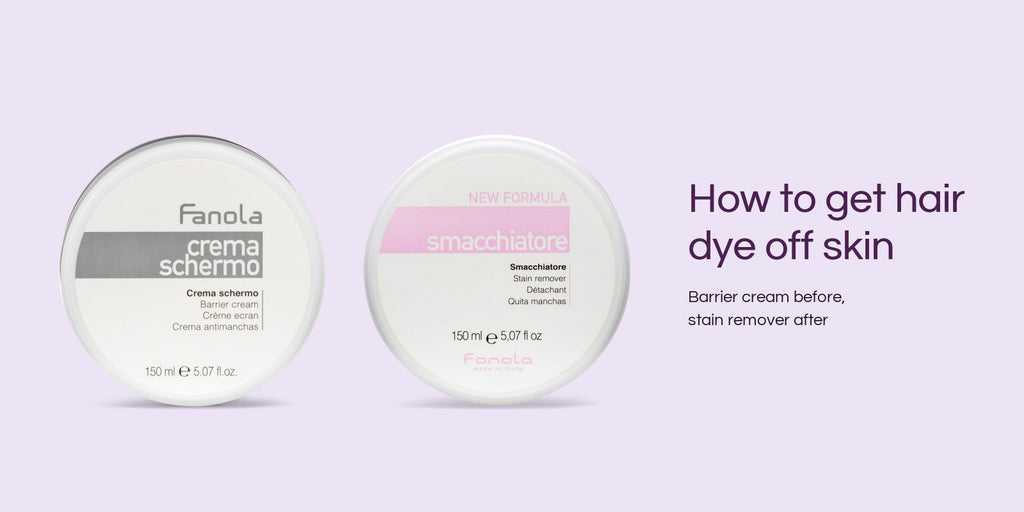
The best way to get hair dye off skin is not to let it stain in the first place. Before you colour, put a barrier cream on the skin along your client's hairline, forehead, face contour and ears. Wipe off drips with damp cotton as you go. After you rinse, use a stain remover made for skin on any marks that are left, then rinse it off with warm water. Wear gloves the whole time, so your own hands and nails stay clean too.
For professional use. Always follow the manufacturer's instructions for your colour, developer, barrier cream and stain remover.
To find out more about the whole Fanola colour range, read Ultimate Guide to Fanola Color.

How do you keep hair dye off skin?
Put a barrier on first. Fanola Color Barrier Cream goes on before any chemical service, including colouring, bleaching and perming. Spread it evenly along the hairline, forehead, face contour and ears so it forms a protective layer on the skin, then section and apply your colour as normal.
We recommend keeping the cream on the skin, not on the hair you're colouring. Fanola makes it to stop colour marking your client's skin. It doesn't stop the products themselves reaching the skin, so the skin test and gloves still matter.
How do you get hair dye off skin fast?
Deal with it as you go. Keep damp cotton wool to hand and wipe away any drips on the forehead, ears or neck as soon as you see them, before you carry on applying.
Once the colour has developed and you've rinsed and shampooed, check the hairline, ears and neck again. Apply Fanola Color Stain Remover lightly to any marks, massage until they're gone, then rinse with warm water. The shampoo at the basin also washes off the barrier cream.
How do you get dried hair dye off skin, or the next day?
You don't need to scrub. Use the stain remover the same way: apply it lightly, massage, then rinse with warm water. If a mark is still showing, we recommend a second light application rather than rubbing harder.
We recommend skipping household cleaners and kitchen-cupboard tricks. Use a product made to take colour off skin, and stop if the skin starts to sting or go red.
How do you get hair dye off the face?
Fanola Color Stain Remover is made for the areas that usually catch colour during a service: the hairline, forehead, ears and neck. We recommend keeping it to those areas and away from the eyes.
The same goes for the colour itself. Developer contains hydrogen peroxide, so avoid contact with the eyes and rinse immediately if it gets into them.
What if your client's skin is red or irritated?
Stop. We recommend not scrubbing or putting more product on irritated skin. If your client feels a reaction starting, wash their hair and scalp thoroughly with a mild shampoo straight away.
A pharmacist can suggest things to help with mild skin symptoms, and your client should see a GP if the symptoms get worse. Call 999 if their lips, mouth, throat or tongue suddenly swell, they're breathing very fast or struggling to breathe, their throat feels tight or they're struggling to swallow, their skin, tongue or lips turn blue, grey or pale, they suddenly become very confused, drowsy or dizzy, or they faint and can't be woken. The NHS says symptoms can take up to 72 hours to appear, so tell your client what to look out for after the appointment.
Oxidation hair colour carries the legal label warning: "Hair colourants can cause severe allergic reactions." Don't colour a client who has a rash on the face or a sensitive, irritated or damaged scalp, has ever reacted after colouring their hair, or has reacted to a temporary black henna tattoo. Suggest anyone who has reacted before speaks to their GP, who may refer them to a dermatologist for a patch test.
To find out more about skin testing before a colour service, read Hair Dye Patch Test Before Colouring.
How do you keep hair dye off your hands and nails?
Wear gloves. The label on professional oxidation colour says "Wear suitable gloves." Use disposable non-latex gloves for shampooing, colouring and bleaching, and change them between clients. Avoid latex, which can cause skin reactions, and powdered gloves, which can cause asthma.
A barrier cream isn't a stand-in for gloves. Chemicals will always work their way through to the skin, so gloves are what protect your hands. Moisturise your hands as often as you can, dry them thoroughly with a soft towel, and see your GP if you notice dryness or cracking, as these are early signs of dermatitis.
Pro Tip
Set up before you mix. Pull your gloves on, put the barrier cream on and lay out damp cotton wool before you open the colour, so you never have to stop mid-application with colour on your hands.
How to keep hair dye off your client's skin, step by step
- Skin test your client ahead of the appointment, following the skin test in the leaflet inside the colour's box.
- At the appointment, check the hairline, ears and neck. If the skin is broken, red or irritated, don't colour.
- Put on disposable non-latex gloves.
- Strand test: mix a small separate amount of colour and test it on a strand from underneath before the full head.
- Spread Fanola Color Barrier Cream evenly along the hairline, forehead, face contour and ears, keeping it on the skin.
- Mix the main bowl of Fanola Color fresh, at the ratio on the pack, just before you apply it.
- Wipe away any drips on the skin with damp cotton wool as you go.
- Develop for the time on the pack, then rinse and shampoo. This also washes off the barrier cream.
- Apply Fanola Color Stain Remover lightly to any marks left on the hairline, forehead, ears or neck, massage until they're gone, then rinse with warm water.
- Change your gloves before the next client.
Questions people ask
What removes hair dye from skin?
A stain remover made for skin, such as Fanola Color Stain Remover. Apply it lightly to the mark, massage until it's gone, then rinse with warm water.
Do home remedies get hair dye off skin?
We don't recommend them. Use a product made for use on skin, apply it lightly and don't scrub.
Does a barrier cream mean I can skip gloves?
No. The barrier cream is for your client's skin along the hairline. Your hands need gloves.
Can you use barrier cream with bleach?
Yes. Fanola Color Barrier Cream is used before any chemical service, including colouring, bleaching and perming.
How do you remove the barrier cream afterwards?
It rinses off with water or shampoo, so it comes off at the basin with the colour.
Best Products for Keeping Hair Dye Off Skin
The cream that goes on before the colour, the remover for any marks afterwards, and the colour itself.
 Fanola Color Barrier Cream 150mlFor the hairline, ears and neck, the areas most likely to catch colour stains, and easy to remove afterwards.
 Fanola Color Stain Remover 150mlRemoves hair colour stains from the skin after colouring, for an easy and efficient clean-up.
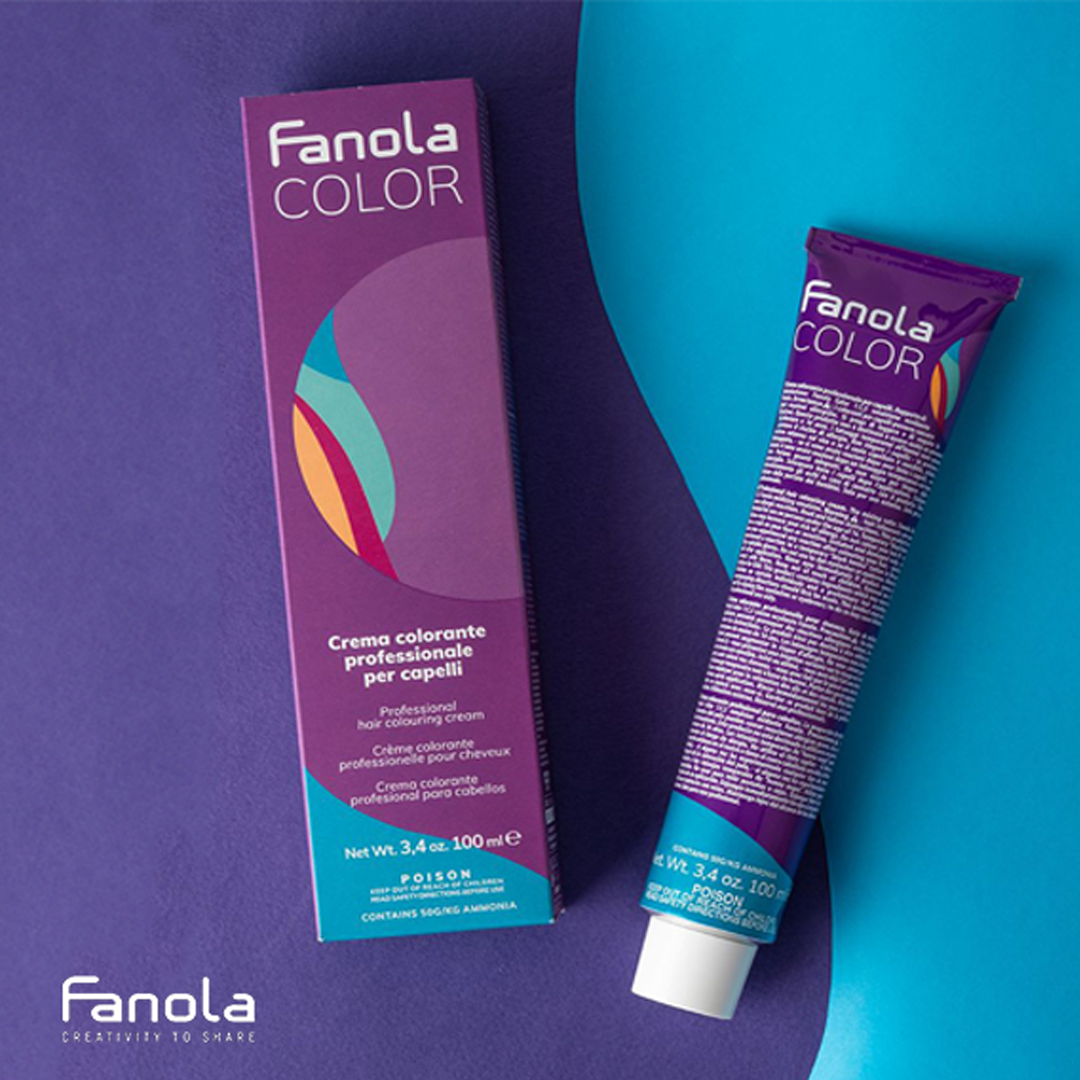
 Fanola Color Professional Colouring Cream 100mlA permanent oxidation colour with over 110 intermixable shades and 100% grey coverage, mixed 1:1.5 with Fanola developer.
Read next: to find out more about every Fanola colour line, read Ultimate Guide to Fanola Color.
Written by Amy-Louise Russell, Content Writer at Hairdressing Supplies.